

Summary :
Demographic ageing is transforming older adults’ living environments and raising questions about modes of support aimed at preserving autonomy, participation and quality of life. In public policies and gerontological services, autonomy is often understood through functional indicators focused on the performance of essential activities of daily living. However, this approach does not always capture the lived experience of everyday life, nor the possibility of maintaining meaningful routines and occupations.
This article explores the tension between institutionally defined autonomy and lived occupational continuity in older adults’ living environments, including private homes, independent living residences and nursing homes. Drawing on clinical situations from occupational therapy practice, it shows how certain changes in the living environment or in care organisations can alter daily routines, reduce opportunities for choice and weaken the sense of being “at home”, even in the absence of major functional decline.
The analysis highlights the importance of ordinary occupations, familiar temporalities, micro-decisions and domestic routines in shaping identity and the sense of biographical continuity. Occupational therapy intervention therefore involves identifying these structuring occupations, analysing environmental and organisational constraints, and negotiating adjustments that remain compatible with the functioning of care settings.
By making these often-implicit dimensions of everyday life visible and by supporting individuals’ decision-making opportunities, occupational therapists contribute to strengthening occupational continuity and to giving concrete meaning to personalised support across different living environments.
Cet article est payant !
Je suis abonné, je m’identifie ci-dessous.
Je ne suis pas abonné, j’achète ici
Article rédigé par :
-
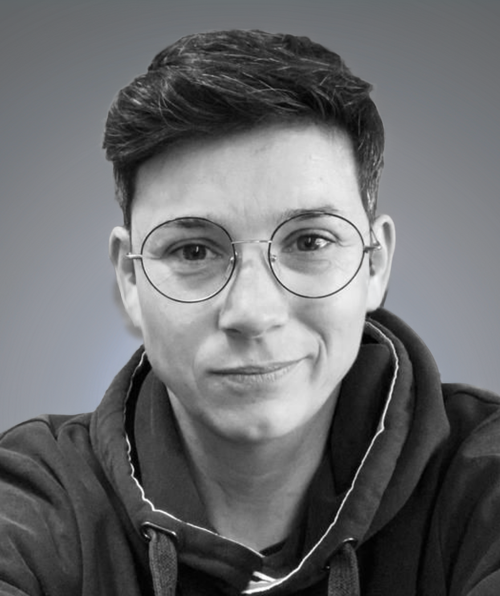
Muriel Sahraoui
Ergothérapeute DE, PhD stud.
Université Paris Est Créteil (UPEC)
Inserm U955, IMRB, CEpiA Team
ergoadom51@gmail.com
-
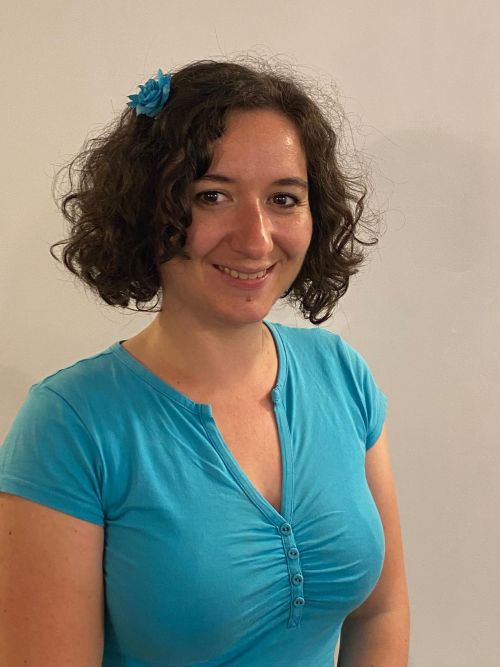
Laurène Billy
Ergothérapeute DE, MSc
Chargée de recherche
Université Paris-Saclay
UVSQ, Rehadapt
78000 Versailles, France